Use Case: Predictive Maintenance
Turn asset signals into service decisions before downtime becomes expensive
Predictive maintenance only becomes valuable when it changes how teams prioritise inspection, service, and production risk.
What teams usually expect
Earlier visibility into degradation
See patterns that suggest service risk before failures become operational emergencies.
Better maintenance prioritisation
Help teams decide which assets deserve planned intervention first.
More useful service signals
Translate asset health into the workflows technicians and operators already use.
Typical implementation stages
Choose the right asset class
Start where maintenance cost, downtime pressure, and data availability make the strongest business case.
Define the health signal path
Identify which sensing, telemetry, and contextual data really support a serviceable health model.
Pilot the action loop
Validate not only the signal, but also how teams act on it in maintenance planning.
Operationalise with support logic
Package the workflow so it fits service teams, planners, and reporting expectations.
What makes the page commercially useful
Good fit
- Motors, pumps, drives, and similar assets
- Operators with measurable downtime pressure
- OEMs wrapping maintenance value into connected products
Buyer questions
- Which asset class first?
- What data quality is required?
- How do we prove value beyond model accuracy?
CTA path
- Quote when the asset and service scope are known
- Architecture review when sensing and workflow assumptions are still fuzzy
When the first budget should stay on leak events instead of full asset health
Use the leak-detection page when the buyer is not solving broad degradation patterns yet and instead needs a clearer leak sensing, escalation, and response workflow.
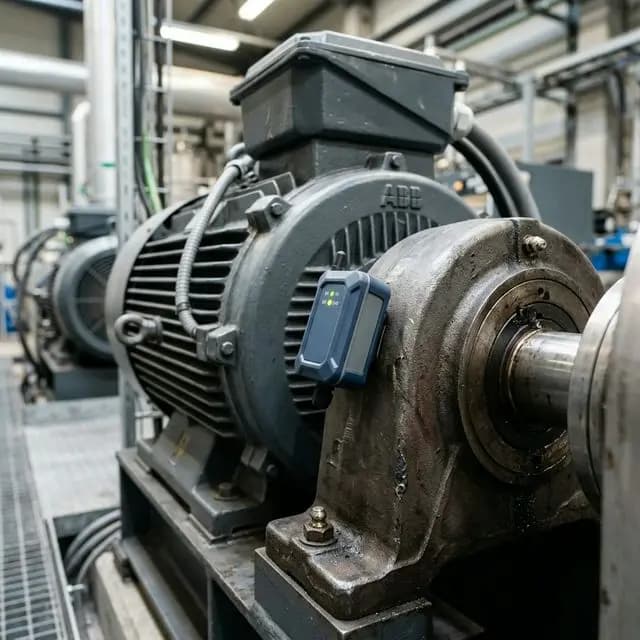
AI leak detection
This page is better when the event type is water, gas, refrigerant, steam, or compressed-air leakage and the first question is how to detect, localize, or isolate it safely.
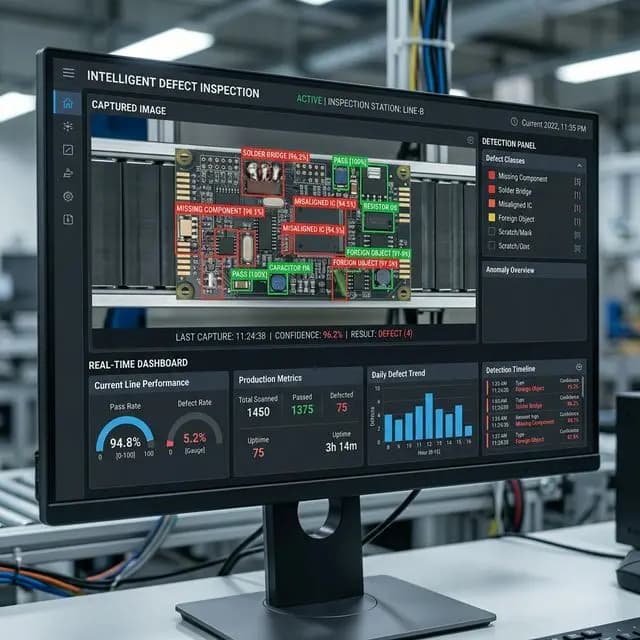
AI-powered self-service product diagnostics
Use this page when the buyer is solving support containment, troubleshooting quality, and escalation handoff for connected products rather than broad asset-health forecasting.
FAQ
Do you need years of clean historical data?
Not always. The right pilot can begin with available signals and a carefully chosen action loop, as long as expectations are realistic.
Is predictive maintenance only for factories?
No. The same logic can apply anywhere asset health, inspection, and service prioritisation matter.
Why is this not merged into a generic AI integration page?
Because the buyer task is distinct: they are buying maintenance outcomes, not generic integration capacity.
Tell us the device context and commercial goal
Share the product family, deployment environment, and target outcome. We will tell you whether the next step is a scoped quote or an architecture review.