OEM AI Product Development
Move from ordinary product to a differentiated AI-enabled offer
This service is built for OEM teams that want a commercially credible path from feature idea to pilot and production rollout.
What OEM teams are usually trying to achieve
Differentiate a crowded hardware category
AI creates a stronger product story only when it leads to measurable operating value for the buyer.
Create a service or software revenue layer
Many OEMs are not just shipping hardware; they are testing monitoring, diagnostics, or optimisation revenue.
Reduce feature-risk before large investment
The right pilot path can de-risk product, engineering, and commercial assumptions before the roadmap hardens.
How the service is delivered
Frame the product opportunity
Assess buyer need, product category, installed-base realities, and differentiation pressure.
Define the AI-enabled offer
Decide what the product should do, what the service layer should do, and how the commercial story changes.
Plan the pilot and rollout path
Scope the first implementation path, success signals, dependencies, and support model.
Hand off a production-minded roadmap
Document the next implementation steps so engineering, operations, and commercial teams stay aligned.
Outputs by stakeholder
Product leadership
- Feature priorities
- Roadmap sequence
- Differentiation narrative
Engineering
- Data and system requirements
- Pilot architecture assumptions
- Implementation dependencies
Commercial teams
- Quote and pilot framing
- Service-model implications
- Rollout assumptions buyers will ask about
When the immediate buyer task is diagnostics containment, not full roadmap shaping
Use the self-service diagnostics hybrid page when the team already has support-ticket pressure and needs workflow-level triage and escalation clarity before broader product strategy work.
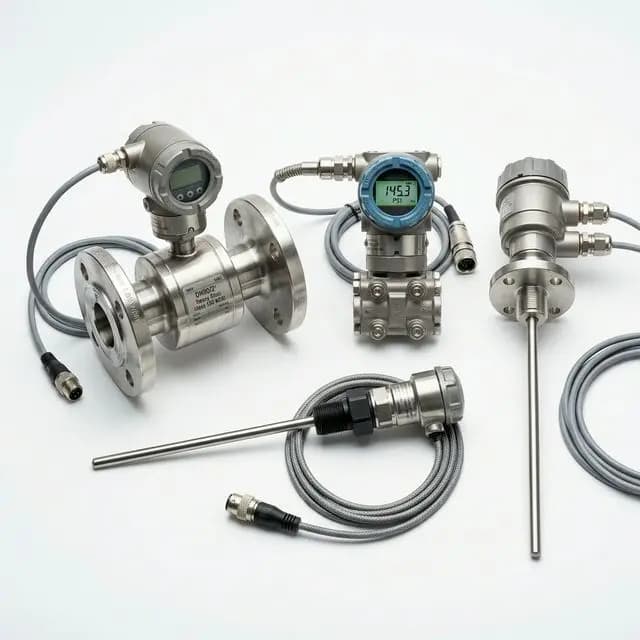
AI-powered self-service product diagnostics
This canonical focuses on guided troubleshooting, remote-resolution triage, and human-escalation workflow design for connected industrial products.
FAQ
Do you only work with large OEMs?
No. The service fits any team with a real product line, an identifiable buyer, and a practical interest in AI-enabled differentiation.
Can this begin before the team chooses a final use case?
Yes. It is most useful when the team has several candidate directions and needs to narrow them intelligently.
What is the ideal input for a quote?
The product family, target buyer, installed-base context, and desired commercial outcome are enough for a first scope conversation.
Tell us the device context and commercial goal
Share the product family, deployment environment, and target outcome. We will tell you whether the next step is a scoped quote or an architecture review.