Industrial AI Integration
Connect device data, edge logic, and business systems without breaking operational reality
This service is for teams that already know AI will touch multiple systems and need one delivery path across devices, gateways, control systems, and cloud workflows.
What this service usually solves
Disconnected device and service data
Telemetry, alarms, and operator notes often live in separate systems, which makes AI outputs hard to operationalise.
Cloud-only architecture assumptions
Industrial projects fail when teams assume every inference, event, or control decision can wait on remote connectivity.
No handoff from pilot to operations
Many teams prove a concept but never define who owns monitoring, support, and field adoption after rollout.
Delivery sequence
Map systems and constraints
Document devices, protocols, gateways, upstream systems, downstream workflows, and stakeholder success criteria.
Design the integration boundary
Define what happens on-device, at the edge, and in cloud applications so latency and control assumptions stay explicit.
Implement and test the workflow
Stand up the data contracts, event flow, and integration points required for the use case and pilot.
Harden for production
Add support workflows, observability, and rollout notes so operational teams can adopt the system safely.
Typical engagement outputs
Architecture
- System boundary map
- Edge/cloud responsibility split
- Integration and protocol assumptions
Operational readiness
- Pilot scope and rollout plan
- Monitoring and support notes
- Stakeholder handoff package
Good fit
- Connected products touching more than one business system
- Teams planning a cross-functional pilot
- Operators needing quote-ready implementation scope
When the buyer first needs an EMS architecture decision
Use the EMS hybrid page before the integration scope hardens if the team still needs to decide whether the first lane is analytics, demand control, supervisory optimization, or DER orchestration.
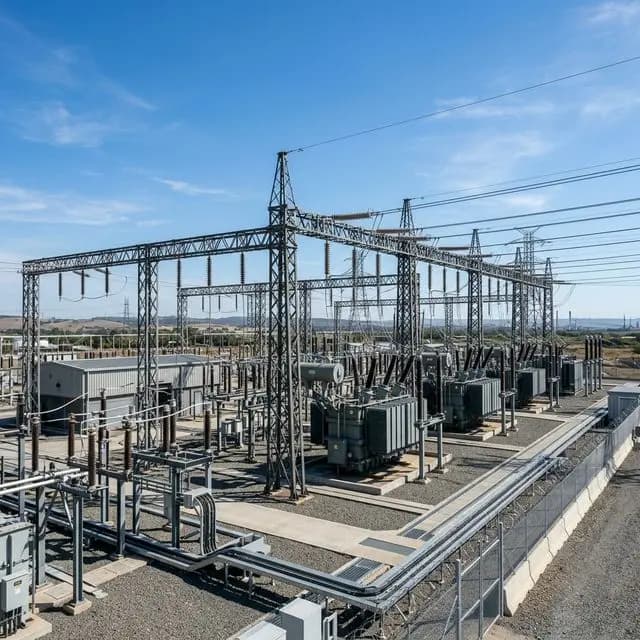
AI energy management systems
This canonical explains cross-asset EMS scope, data inputs, control boundaries, and rollout sequence before the service page turns that direction into an implementation program.
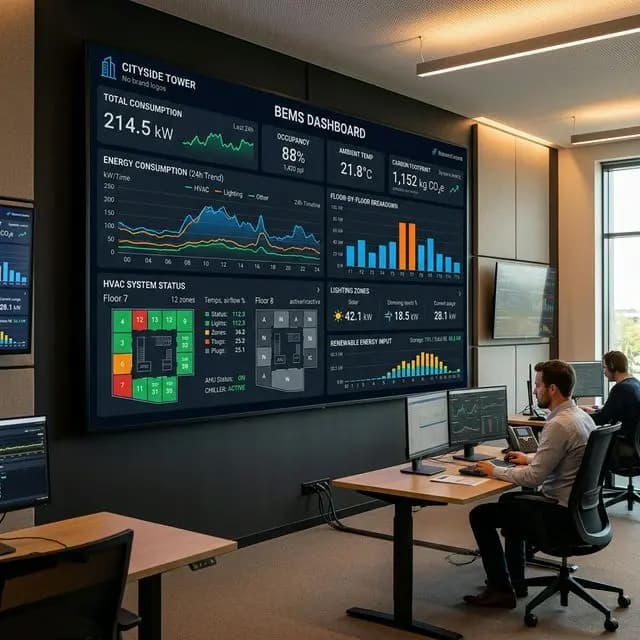
AI energy optimization
Use this hybrid page when the buyer still needs to choose the first measurable optimization lane across demand windows, process energy intensity, or campus load flexibility before implementation planning starts.
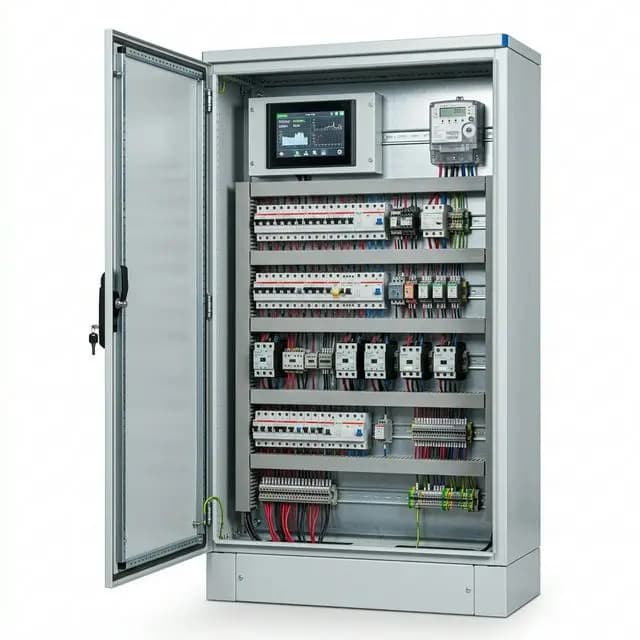
AI EV charging infrastructure
Use this page when the buyer is deciding between charger uptime analytics, site power orchestration, EV-plus-DER charging, or protocol and CSMS boundaries before implementation planning starts.

AI for industrial process control
Use this hybrid page when the buyer already has a process or utility control problem and still needs to choose advisory, supervisory, or APC-linked rollout with explicit operator safeguards.
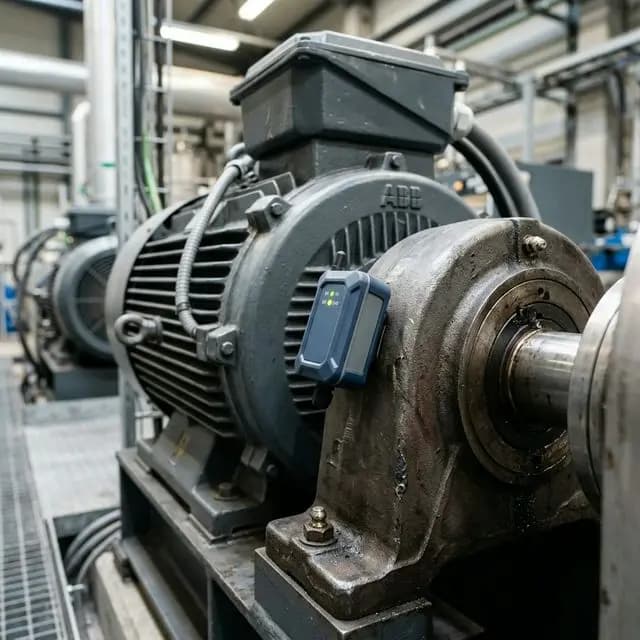
AI-powered self-service product diagnostics
Use this diagnostics hybrid page when support teams need guided troubleshooting, remote triage, and escalation workflow design before implementation hardens.
FAQ
Is this only for cloud data platforms?
No. The point is to design around actual device, edge, and cloud responsibilities rather than assuming everything flows into one data lake first.
Can integration work begin before every protocol is finalised?
Yes, if we identify the unknowns explicitly and stage the scope. We do not treat unknown interfaces as if they were already production-ready.
What should a buyer send before asking for a quote?
The device family, deployment environment, target result, and any known systems or protocols already in scope are enough to start.
Tell us the device context and commercial goal
Share the product family, deployment environment, and target outcome. We will tell you whether the next step is a scoped quote or an architecture review.